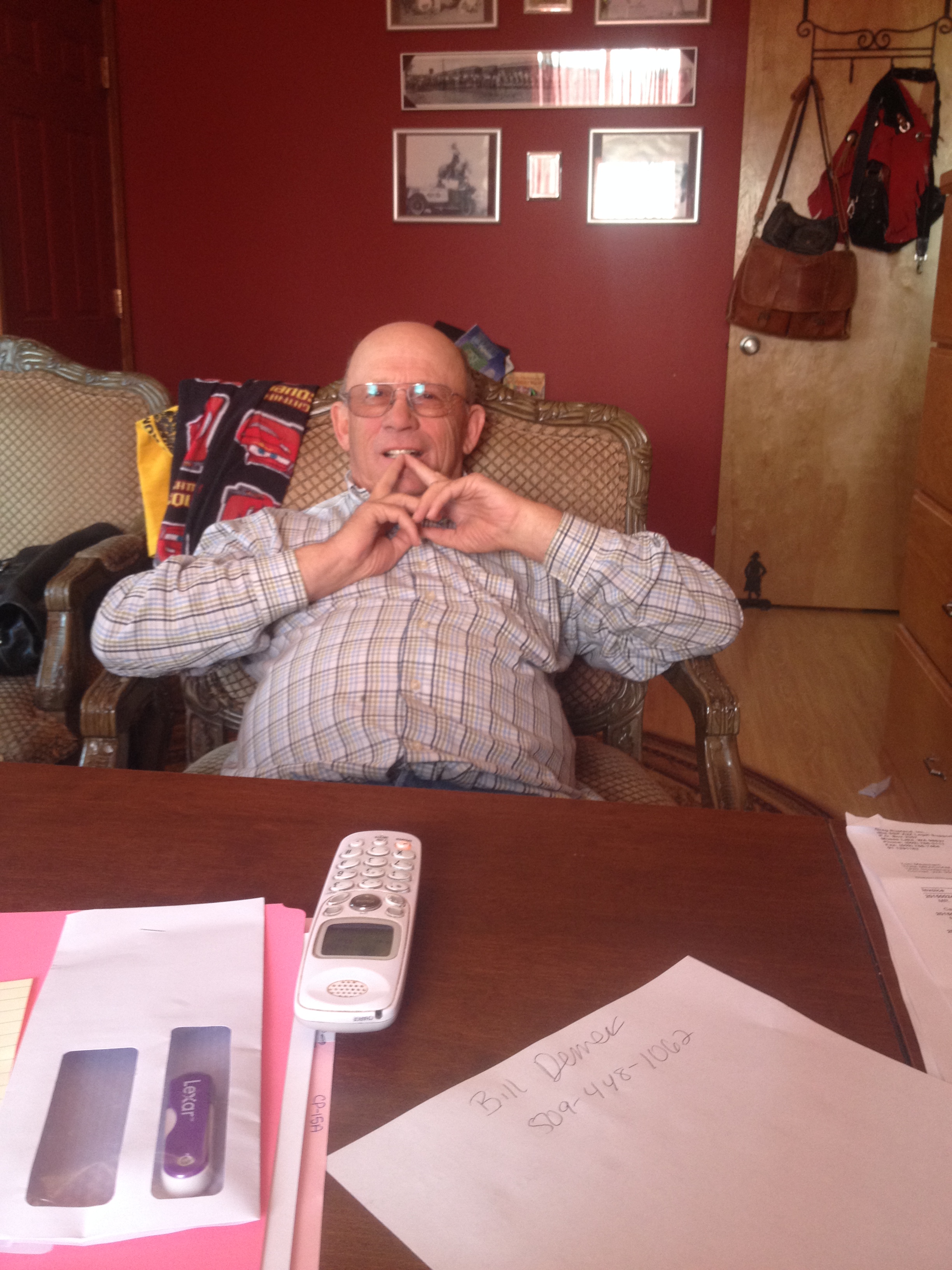
I got to have a meeting with this guy this morning on the DOE watershed evaluation letters. Now we are enjoying apricot pie that mom made. Sonny Riley has been a client of mine since I became a lawyer.

I got to have a meeting with this guy this morning on the DOE watershed evaluation letters. Now we are enjoying apricot pie that mom made. Sonny Riley has been a client of mine since I became a lawyer.
Dept of Ecology has produced their Nonpoint Source Plan- if anyone wants to read 157 pages- here it is:
Detailed guidance from Kristin Ferrera at Jeffers, Danielson, Sonn, & Awylard, P.S. regarding how to handle the extra pay for piece rate issue can be accessed by clicking on the link below.
It is important to note that this goes into effect July 16, 2015- so make sure you understand what you are required to do with piece rate workers.
Washington Supreme Court rules on piece rate case
Today the Washington Supreme Court ruled that farm workers paid on piece rate must be paid separately for rest breaks. The court was asked to rule on two certified questions arising from a class action lawsuit, Demetrio v. Sakuma Bros. Farms, pending in federal district court.
The first question was whether an agricultural employer must separately pay piece-rate workers for the rest breaks to which they are entitled. The court interpreted state law requiring rest breaks be “on the employer’s time.” The court said, “The plain and ordinary meaning of this phrase is clear: employers must pay agricultural employees during their 10-minute breaks.” In doing so, the court rejected the argument that the piece rate was intended to account for rest breaks.
The second question was how must agricultural employers calculate the rate of pay for the rest break time for piece-rate workers. The court ruled that piece-rate workers must be paid for rest breaks at either the minimum wage (if piece rate production falls below that threshold) or the piece-rate worker’s regular wage. The regular wage is calculated by totaling the worker’s piece-rate earnings and dividing them by the hours worked, excluding the time for rest breaks.
The court declined to decide whether these changes should be applied retroactively.
The ruling will likely have drastic repercussions throughout all of labor-intensive agriculture in Washington. Washington Farm Bureau will continue to follow the effects of this case and will provide more information as it becomes available.
After filing objections to the EPA and Corps of Engineers’ proposed “waters of the United States” rule in 2014, Pacific Legal Foundation attorneys have fulfilled their pledge to challenge the rule in court. Yesterday, PLF filed a lawsuit on behalf of several agricultural organizations and property owners because the regulation expands the scope of the Clean Water Act to an unprecedented extent, violating the terms of the Act and the Constitution’s limits on federal authority.
“We are suing to block the administration’s breathtaking attempt to control practically every pond, puddle, and ditch in the country,” stated PLF Principal Attorney M. Reed Hopper in a PLF news release. “This new regulation is an open-ended license for federal bureaucrats to assert control over nearly all of the nation’s water, and most of the property, from coast to coast.”
The case is Washington Cattlemen’s Association v. U.S. Environmental Protection Agency.


USCA (June 30, 2015) – The United States Cattlemen’s Association issued the following statement on the announcement made by the U.S. Department of Agriculture Animal Plant Health Inspection Service (USDA-APHIS) to allow for importations of fresh beef products into the United States from regions in South America. The following may be attributed to USCA President Danni Beer:
“Once again, we are faced with an issue that has the potential to severely threaten the health and safety standards of the US cattle herd. We acknowledge the effort and work put in by APHIS staff on this issue, however, the proposed plan to move this notice forward is deeply concerning to producers across the country. Concerns have repeatedly been relayed from industry groups to the Administration on this proposed change in trade and we are disappointed that the choice has been made to move forward with the plan. ”
“Any opening of the U.S. market to the stated regions in South America is a step-back for the health of the US cattle herd. However, this issue stems not only from concerns regarding our domestic herd, but also to the political ramifications such a change in trade with this region would signal. Through this announcement, the U.S. would be rewarding countries that are proven bad actors in the international trade arena.”
“USCA recognizes the risk assessments completed and science being used by USDA-APHIS within the proposed processing facilities and supply chains in the specified regions. However, we simply do not trust Brazil and Argentina to implement the necessary protocol and safe handling practices on a consistent and comprehensive basis across all supply lines to ensure the safety of those fresh beef products shipped to the U.S. The margin of error when addressing Foot and Mouth Disease (FMD) is extremely slim, every precaution and necessary safeguard must be in place to ensure safe handling and transportation of product; we remain unconvinced of Brazil and Argentina’s commitment to this process based on their ongoing actions in the international trade arena.”
“Brazil continues to file cases against the U.S. and our trading partners at the World Trade Organization (WTO), Argentina is still in default on its substantial debt to the U.S.; why we would reward such actions by allowing for the import of their products to the U.S. is of utmost concern to producers across the country.”
“The precedent set by this announcement is troubling. This issue, while rooted in the realm of animal health, will be impacted by outside factors as well. The political influences that will come into play must not be ignored and rather addressed as a component of this rule. Our concerns on this proposed notice were relayed to USDA-APHIS during the recent USCA summer fly-in to Washington, D.C. and we will continue to work with those in Congress and the Administration to address producer and industry concerns.”
###
Established in March 2007, USCA is committed to concentrating its efforts in Washington, D.C. to enhance and expand the cattle industry’s voice on Capitol Hill. USCA has a full-time presence in Washington, giving cattle producers across the country a strong influence on policy development. For more information go to www.uscattlemen.org

On June 18, 2015 before Federal Judge Ricardo Martinez the argument to dismiss the case ofNorthwest Environmental Advocates was heard. Jack, Amber, and Toni went over to Seattle as WCA is an intervenor in the case. WCA has hired Western Resource Legal Clinic, a pro bono clinic based out of Lewis and Clark, to represent them in this case.
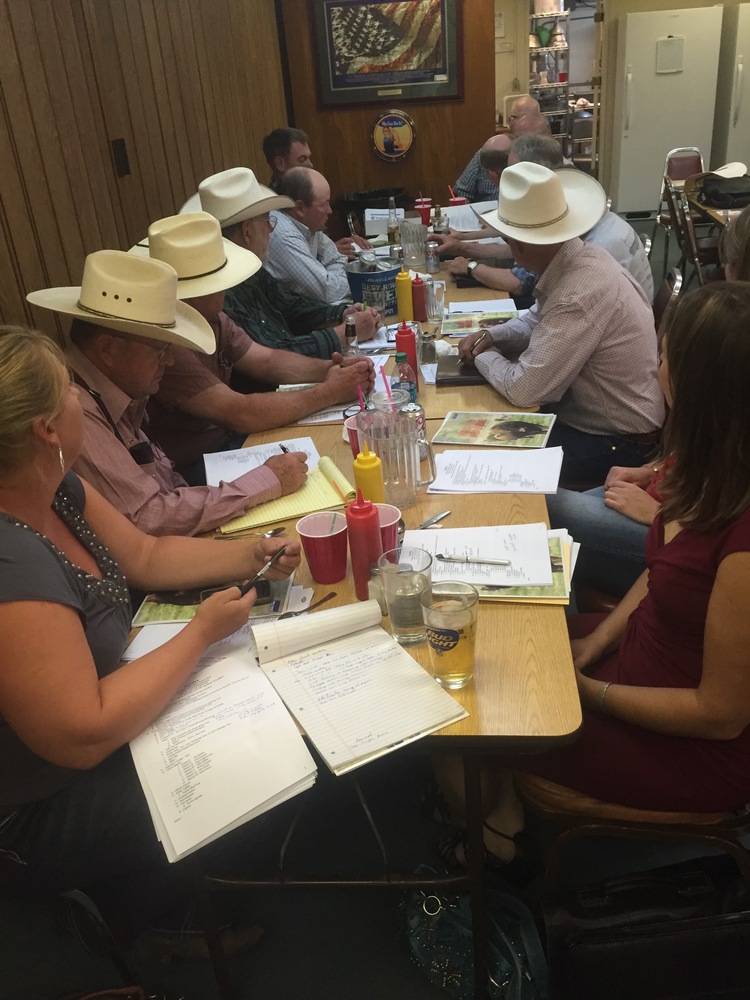
There was a great turnout tonight at the WCA Executive board meeting. A number of issues were discussed, including the brand program revenue, ADT, Sage Grouse and much much more. Go to Jack’s blog to see more. http://www.washingtoncattlemen.org/jacks-blog/
 Toni Meacham Attorney At Law