States Split On Scope, Fate Of EPA’s CWA Agriculture ‘Interpretive’ Policy

royalty-free-businesswoman-clipart-illustration-1107095

Posted: September 5, 2014

States appear split on how to resolve concerns over EPA’s Clean Water Act (CWA) “interpretive” rule exempting many farming practices from permit requirements, with some states seeking agency guidance on how to implement the policy while others want EPA to scrap the rule due to concerns it unlawfully expands CWA exemptions.

The divisions — outlined in comments ahead of EPA’s July 7 deadline for public input on the rule — highlight ongoing disagreements about the rule, which took effect March 25. It exempts 56 agricultural conservation activities, such as brush management, herbaceous weed control, and fencing in crops, from CWA section 404 permit requirements by specifying they are “normal farming” measures exempt from dredge-and-fill permits.

The rule, which EPA issued alongside its proposed rule on the scope of the water law, has already drawn charges that it would impose new regulatory requirements on farmers. The rule prompted criticism because EPA issued and finalized it before taking public comment. EPA Administrator Gina McCarthy has suggested dropping the measure if it can agree with critics on an alternative approach.

In the early comments on the interpretive rule, some states, including South Dakota and Alabama, charge the list of exemptions is too narrow and would hinder farmers’ ability to use conservation measures that may yield environmental benefits.

Alabama’s Department of Agriculture and Industries says in July 7 comments that it “fears a great number of former NRCS’ practices will no longer be considered ‘normal farming practices’ by reducing the number of practices to 56.”

But other states, such as Washington and Michigan, say the list of 56 practices is too broad and would exempt some operations from 404 permits even if they may harm federally protected species and impair water quality.

“Some practices do not result in water quality protection and have the potential to significantly affect wetlands and other waters,” Michigan Department of Environmental Quality (DEQ) says in July 3 comments on the rule.

And Washington Department of Ecology (Ecology) says in July 3 comments that the rule could potentially create “more questions and less certainty” that state waters and their beneficial uses, such as use by fish and aquatic life listed under the Endangered Species Act (ESA), will be adequately protected.

“Without more specific agency guidance on when and where the exemptions are appropriate, we believe there is a real risk of undoing decades of salmon recovery efforts in the Pacific Northwest,” the comments say.

‘Flawed’ Rule

While Michigan DEQ urges withdrawal of the rule, Ecology says that while the rule is “flawed,” it is ready to aid in crafting a revised rule in cooperation with state and federal agencies that would “result in compliance with federal water quality protection” while giving landowners and farmers streamlined options.

The rule says that to qualify for the exemptions, such practices must be in compliance with Natural Resources Conservation Service (NRCS) standards. That requirement has prompted criticism from a broad range of stakeholders and other observers — including Senate Democrats and environmental groups — that it would shift NRCS into an improper enforcement role and create citizen suit liability for farmers and ranchers.

The New York State Department of Agriculture and Markets and New York State Department of Environmental Conservation say in July 7 comments that the NRCS practices are not regulatory thresholds and therefore should not be used as the basis of regulatory exemptions, that the rule will deter voluntary adoption of conservation practices, but also that it would exempt some practices that are not “normal” farming.

Under section 404(f)(1)(A) of the water law, “normal farming, silviculture, and ranching activities such as plowing, seeding, cultivating, minor drainage, harvesting for the production of food, fiber, and forest products, or upland soil and water conservation practices,” are not required to obtain 404 permits.

The New York agencies say in their comments, however, that 10 of the 56 practices listed in the rule, including wetland restoration, wetland enhancement, aquatic organism passage, land reclamation: currently mined land and others, are outside the scope of what the state considers “normal farming, ranching and silviculture.”

Moreover, the state agencies say, those activities do not fall within EPA and Army Corps of Engineers guidance that the exemption is limited to “the activities named in the statute and other activities of essentially the same character as named . . .” and precludes those that are not of the same character.

But at least one state, New Jersey, is suggesting in undated comments submitted by the state’s Department of Environmental Protection on the rule that EPA and NRCS should “issue clear guidance to farmers, specific to each State, on how the interpretive rule will affect them” to ensure that the industry is clear that exemptions from 404 permitting do not necessarily void obligations under other state and federal laws, such as the ESA.

New Jersey says EPA should issue “Detailed guidance on the roles of the federal agencies in carrying out the interpretive rule as well as the definitions,” according to the state’s comments.

Rulemaking Process

While states are split over the scope and fate of the interpretive rule, many commenters want EPA to withdraw it and argue that the agency should instead pursue the policy through a new notice-and-comment rule.

South Dakota’s Department of Agriculture says in July 7 comments that the exemptions list is “too narrow” to cover a number of voluntary conservation practices, and asks EPA to withdraw the rule.

And a number of state attorneys general (AGs), led by Nebraska Attorney General Jon Bruning (R), in a July 7 letter to McCarthy urge the agency to withdraw the rule.

The argue that it is unlawful because it seeks to “establish new policies intended to bind decision-making by the Agencies and influence actions of the regulated community” and therefore must go through a formal notice-and-comment rulemaking under the Administrative Procedure Act (APA).

The letter comes as the Supreme Court is preparing to review an appellate ruling that would require EPA and other agencies to follow notice-and-comment procedures when they amend interpretations of their rules — which could create difficulties for the agriculture rule. The justices in June accepted certiorari in the linked cases Thomas Perez, et al. v. Mortgage Banking Association (MBA), et al. and Nickols, et al. v. MBA, et al, which test whether agencies must follow notice-and-comment rulemaking to revise their existing interpretations of rules.

The AGs’ letter says that the U.S. Court of Appeals for the District of Columbia Circuit in 2010 held in a ruling in Catholic Health Initiatives v. Sebelius that an interpretive rule must “‘derive its proposition from an existing document whose meaning compels or logically justifies’ its requirements.”

The AGs say, “In the present case, it cannot be argued that limiting the ‘normal farming activity’ exemption for conservation practices to those specifically identified by the Agencies and conducted in accordance with NRCS standards requirements derives from or is logically justified by any prior statutory text or regulatory provision.”


Hiring 3rd party professionals

This is a good article from Dairy Herd Management on hiring 3rd party professionals- like an attorney:

http://www.dairyherd.com/dairy-news/Tips-for-Hiring-Third-Party-Professionals-275358611.html

edy-cartoon-business-woman-tutorials1

Waters of the US

Quick reminder to landowners, WOTUS (Waters of the US) is a land grab by the Feds. PLEASE comment! Comments are due this month. You can turn in as many as you want. We are hoping for 30,000 comments from WA. The NCBA has a format that makes commenting easy. 
http://cqrcengage.com/beefusa/water

internationalwater

Wolf Shot in Whitman County

On Sunday, October 12, Washington Department of Fish and Wildlife (WDFW) Officers received reports from Whitman County that a wolf had been shot southwest of Pullman. When our officers reached the scene, they determined that the wolf had been shot by a farmer who had pursued the animal for several miles in his vehicle after seeing it near his farm.

The incident occurred west of U.S. Highway 195. This area is in the Eastern Washington recovery zone, where wolves are delisted under federal law but remain listed as endangered under state rule.

WDFW Officers contacted the farmer, and a witness who believed a possible poaching incident had occurred. The shooting does not appear to have been associated with a defense-of-life action, nor did it take place under the statutory authority to shoot and kill a wolf that is caught in the act of attacking livestock in the Eastern Washington recovery zone.

We are actively investigating this incident and are in contact with Whitman County law enforcement officials and the county commissioners. Once the investigation is complete, the case will be sent to the Whitman County Prosecutor’s office for a charging decision.

images

Lawsuit against Yakima Valley dairies expands


yakimaherald.com
A lawsuit alleging groundwater pollution by four Lower Valley dairies has expanded potential liability beyond the dairy corporations to related entities and individuals owning property used by the dairies. A federal judge Friday allowed environmentalists to add one individual and several companies as defendants in the case that accuses the dairies of allowing cow manure to contaminate groundwater with nitrates, phosphorus, heavy metals and pharmaceuticals.

The dairies’ attorneys argued that the environmental groups waited too long to add new defendants and risked delaying the trial, but the judge disagreed, according to court documents.

“It is a bit frustrating that plaintiffs – particularly at this late stage of the proceedings – are continuing to make procedural moves that unnecessarily cause delay and increase costs,” Debora Kristensen, the Boise, Idaho, attorney who represents the dairies, said in an emailed response to questions Monday afternoon.

images

DOE Agriculture and Water Quality Advisory Committee meeting September 11, 2014

The DOE Advisory Group continues to meet. This time we were able to meet in Ritzville, which makes a much easier drive for those of us in Eastern Washington. The next meeting, which will be in October, will be in Lacey. All meetings are from 1-4 for anyone that wants to attend.

The focus of this meeting were voluntary measures and the progress towards clean water that voluntary programs have accomplished.

The first one, Voluntary Stewardship Programs (VSP), are on many people’s minds with the bill that was passed in Washington which allows for VSP if funding can be found. The Conservation Commission will be asking for $7.5 million dollars to fund VSP from the capitol budget in the next session. If funding is not available by July 31, 2015, Counties without funding will not be allowed into VSP. Currently 28 counties have opted in for VSP programs, but only 2 counties, Chelan and Thurston have been funded. The purpose of VSP is to protect critical areas. VSP allows for collaborative stewardship planning between Counties, stakeholders, and other government entities. Once VSP is funded, Counties will be required to come up with a work plan within the watershed group. Improved compliance with laws leads to improved water quality. Although VSP was not passed to specifically address water quality, water quality improvement is an added benefit to the VSP program. DOE supports VSP.

The Direct Seed group also presented on their certification program which is called the Farmed Smart Certification. This program was developed to address water quality issues in farming practices. The Direct Seed group has criteria to become certified and is working with DOE on this program. Once in the program, there will be third party certification and audits to confirm compliance. Buffer strips will be required eventually and in this program, at least at this time, no grazing is allowed on the buffer strips.

For many years Memorandums of Understanding (MOU) or Memorandums of Agreement (MOA) have been used between DOE and different groups, such as Conservation Districts, in an effort to assist with water quality. DOE and the Conservation Districts signed an MOU in approximately 1990 which helped to define rolls. MOU’s are hard with diversity in Washington and DOE does not think a general MOU concerning water quality will work to rectify all water quality issues in Washington.

The Conservation Commission presented on Ecosystem Markets for ag lands. In this scenario, for the market to be successful, a value is applied to various ecosystem functions, such as wetland, forests, habitat, etc. Value is then converted to credits which can be sold in the marketplace. Buyers can be private or public sector . These buyers are mitigating the impacts of their actions by buying up credits from a business or individual that has gone beyond the threshold for conservation practices. The example given at the meeting was if Walmart wanted to put a store in a wetland, then they would have to buy wetland credits from someone with those credits.  The goal of the conservation market program is to provide a source of revenue for working farms and forest landowners. The property owner has a bundle of property rights and ecosystem values that can equate to credits. The higher value is in the multi-credit bundles such as one bundle which contains aquatic habitat, carbon, wetlands, nitrogren, and terrestrial habitat. Oregon has a focus on conservation markets. This is what the carbon credit idea is based on.

Our last presentation was on effective voluntary incentive based programs such as through the conservation districts. These programs have been working for over 70 years to help ag producers and landowners make land and water quality decisions. Examples of these programs include: Fish passage barrier removal, irrigation efficiency programs, riparian forest buffer programs (CREP), and wetland enhancement/restoration. The benefits of these programs include increased irrigation efficiency, fish, wildlife, and bird habitat, and increased water quality. Landowners are able to work with the Conservation Districts, allowing them to save money, time, and energy. The Conservation Districts have the tools to bring in the project managers and work to make the projects run smoothly for the landowners.

This meeting did not allow for debate or conversation, and was  more of an informative meeting. The advisory group felt it was necessary to present to DOE the success stories that we have in agriculture. Our story is one of stewardship and perseverance. Those of us involved in farming and ranching are not taking the easy route and are not in it for the fast buck.  We are in for the long haul and it is time that we show the world the care we give to our land that allows it to produce and perform. Taking care of the land and livestock is what we in agriculture do best, and learning new ways to do that is important. However, economic viability, which also equates to the buzz word of sustainability, is imperative, and must not be overlooked. Agriculture must be allowed to thrive in Washington, and it is our job on the DOE advisory group to try and make that happen.

Change in water-quality standards will affect jobs, families

Here is an exert from Sen. Mark Schoesler’s newsletter about water quality aka fish consumption.
Change in water-quality standards will affect jobs, families

Around Olympia it’s referred to as “fish consumption,” but the issue is really about the updating of water-quality standards across our state. The nickname comes from the fact that these standards – which regulate the type and amount of substances that are allowed to enter the state’s waters – are based in part on the amount of fish people consume.

These standards stem from the Clean Water Act, which involves the federal government (Environmental Protection Agency), and they must be reviewed every three years. Governor Inslee and the state Department of Ecology are on the hook to propose an update, and many government officials, employers and labor representatives are watching. They know water quality means water treatment, and water treatment costs money (think of all the communities that have wastewater treatment plants), and that means higher costs for employers and consumers.

Several organized-labor representatives gathered at the Capitol recently to offer warnings about where this could be headed. While the governor’s own communications director wondered what all the concern was about, (as reported here) I understand and agreed that labor is right to jump into the discussion (click here for my statement).

The Farm Bureau Legal Foundation

The Farm Bureau Legal Foundation is another board that I sit on. It is made up of great people dedicated to the preservation of agriculture. Right now with everything that agriculture is facing, it is a hard job.

Here are a couple of pictures I received from a friend when I spoke at Mid-Year. Pictured with me is Elizabeth Howard, an attorney from Oregon.

Mid-Year Conference

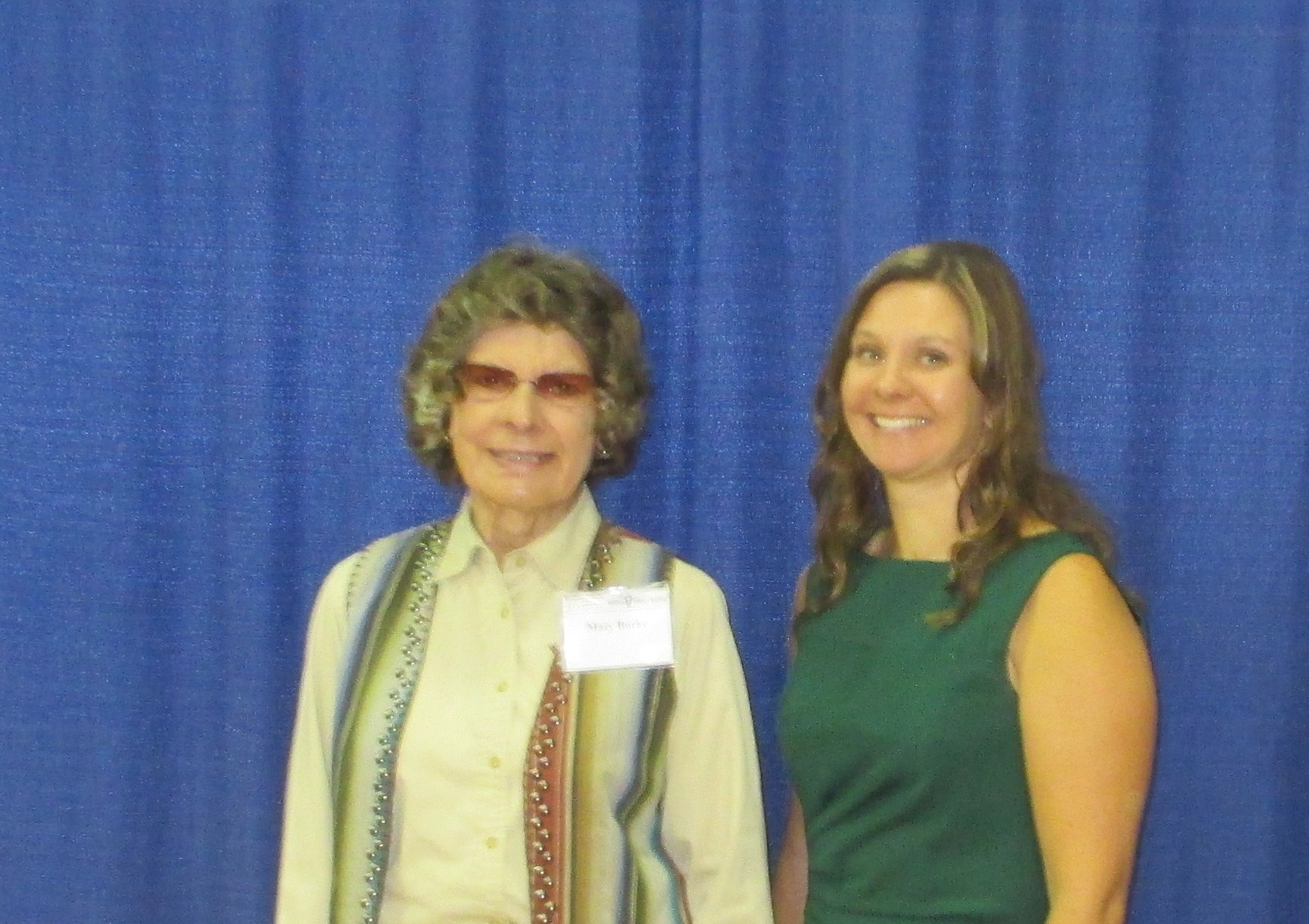
The Mid-Year Conference was excellent. My speech was well received and I had the opportunity to get a picture with my long time mentor, Mary Burke. Mary currently lives in OR but has been my mentor for many years. She was the first, and so far only, female Washington Cattlemen’s President, and is a self taught water historian. Aunt Mary has always encouraged me to pursue my dreams and to become an attorney.

Toni and Mary

Wills and Estate Planning

imagesL3GOPKLY
Estate planning is for everyone. While most people do not like to think about death, it is a reality and typically unplanned. It is a lot easier on everyone, especially if you have a spouse, children and/or any relatives, if you draw up your own will and testament. I have been posted lots of information on estate planning, they should answer most of your questions. When you are ready to plan your estate give me a call and we will get started.